Padel rules 2026: the Star Point explained and every other FIP regulation change this season
The FIP published a full regulatory overhaul effective January 1, 2026. The headline change is the Star Point — a single deciding point that replaces endless deuce sequences. Here is what changed, how it works, and what it means for professional play.
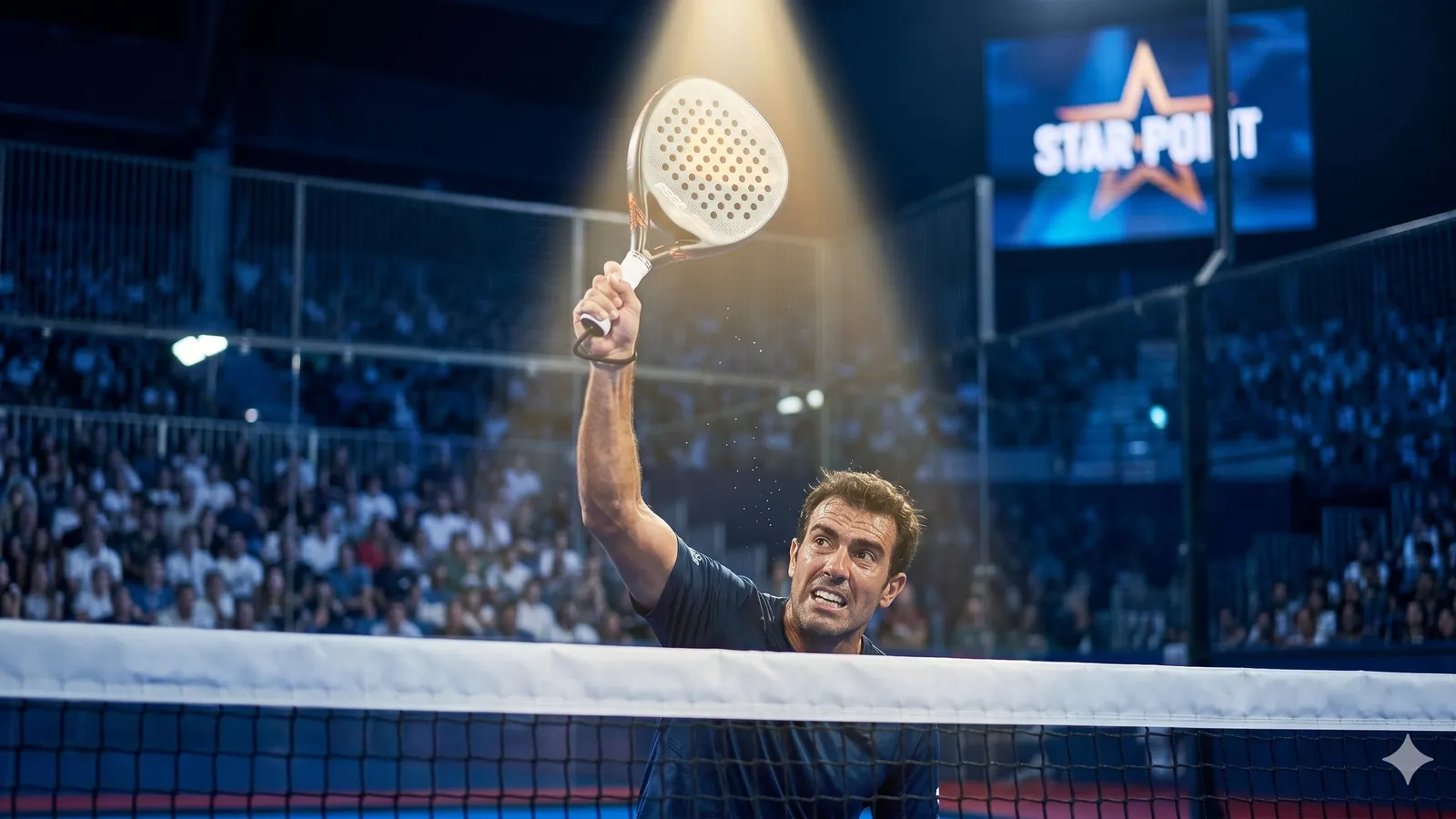
The International Padel Federation (FIP) published a comprehensive revision of its official rulebook, effective January 1, 2026. The changes apply across all levels of the game, and Premier Padel has confirmed that all FIP-sanctioned competitions operate under the new regulations this season.
The most talked-about change is the introduction of the Star Point — also referred to as the Golden Point — which fundamentally alters how prolonged deuce situations are resolved.
What is the Star Point and how does it work
Under the previous rulebook, a game reaching deuce could extend indefinitely: players alternated advantages until one side secured two consecutive points. In practice, this meant some games dragged through dozens of points before being decided.
The 2026 regulation puts a cap on that sequence. After two consecutive deuces — meaning both teams have each converted one advantage and the game has returned to deuce a second time — the situation is resolved with a single deciding point: the Star Point.
A step-by-step example:
- Score reaches 40-40 (first deuce) — normal advantage play begins.
- One team takes the advantage → 40-AD. The opposing team levels it → 40-40 again (second deuce).
- The Star Point is triggered. The receiving team chooses which side to receive from.
- One point is played. Whoever wins it takes the game.
The mechanism is conceptually similar to the super tie-break or match tie-break formats already familiar in racquet sports, but applied here at the individual game level. Crucially, it does not eliminate the advantage system entirely — the first deuce still plays out normally. The Star Point only activates when the sequence repeats.
Premier Padel confirmed the rule applies across all FIP-sanctioned competition in 2026, including FIP Bronze, Silver, Gold, and the full Premier Padel Major series.
Impact on professional play
At the Premier Padel level, matches had already tended toward shorter durations compared to other racquet sports — best-of-three sets with a match tie-break in the third set is the standard format. Even so, prolonged deuce games were a regular feature in tight sets, particularly in finals and late-round matches where both pairs compete at a very similar level.
The Star Point changes the calculus at those moments. Each repeated deuce becomes a single high-stakes point, and the receiving team’s choice of side introduces a small but meaningful tactical variable. Pairs with strong returns from a particular side, or those better equipped mentally for isolated pressure points, may find an incremental advantage in the new format.
Player and analyst reaction on the circuit since January has been mixed. Some have welcomed the rule for keeping match rhythm tight in decisive moments. Others have noted that a single point may not fully reflect the competitive balance within a game that had been closely contested through multiple advantages. The FIP has not released official data on average match duration since the implementation.
Serve rule tightening
The 2026 rulebook includes a more precise definition of service box line requirements. Where previous regulations left room for interpretation by referees regarding where the ball must bounce on the serve, the updated text specifies the criteria with greater accuracy.
The revision is designed to standardize fault calls across all competition levels, from grassroots FIP events to the Premier Padel circuit.
Warm-up time cut from 5 to 3 minutes
Pre-match warm-up time has been reduced from five minutes to three. The change targets tournament operations efficiency, particularly at events running multiple courts simultaneously where idle time between matches has a cumulative logistical impact.
For professional players, three minutes is a meaningful reduction — though it aligns with the warm-up windows already common in exhibition and faster-format competitions.
No eating or drinking between points
One of the more concrete behavioural changes in the new rulebook is a ban on eating and drinking between points. From 2026, consuming liquids or food is restricted to changeovers and other scheduled rest intervals.
The rule aims to reduce in-game interruptions and standardise the tempo of play between matches and tournaments.
Ball colour restrictions lifted
The previous regulations imposed restrictions on the colours permitted for balls used in official competition. The FIP has removed those restrictions in 2026, giving manufacturers and tournament organisers greater flexibility. This change has no effect on how the game is played on court — its impact is primarily commercial and logistical.
Summary of 2026 rule changes
| Change | Before | Now |
|---|---|---|
| Star Point | Unlimited advantages | Golden point after second deuce |
| Serve rules | Broader interpretation | More precise line specifications |
| Warm-up | 5 minutes | 3 minutes |
| Eating/drinking between points | Permitted | Prohibited |
| Ball colour | Restricted | No restrictions |
Further context
For a complete overview of how padel scoring works — sets, tie-breaks, and match structure — see our complete guide to padel scoring.
The 2026 FIP regulatory overhaul represents the most wide-ranging revision to the rulebook in several years. As the season progresses and more data accumulates from professional competition, the practical effects — particularly of the Star Point — will become clearer.